
Despot Stefan Lazarević
The Life of the Holy and Right-Believing Stefan the Tall, Despot of Serbia
Page 23 of 44
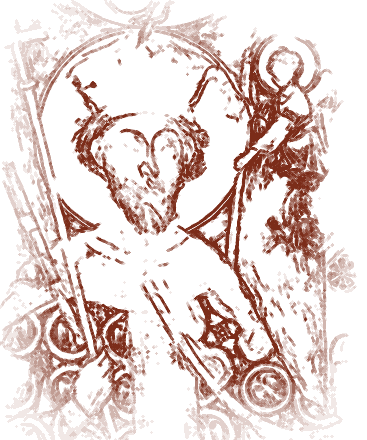
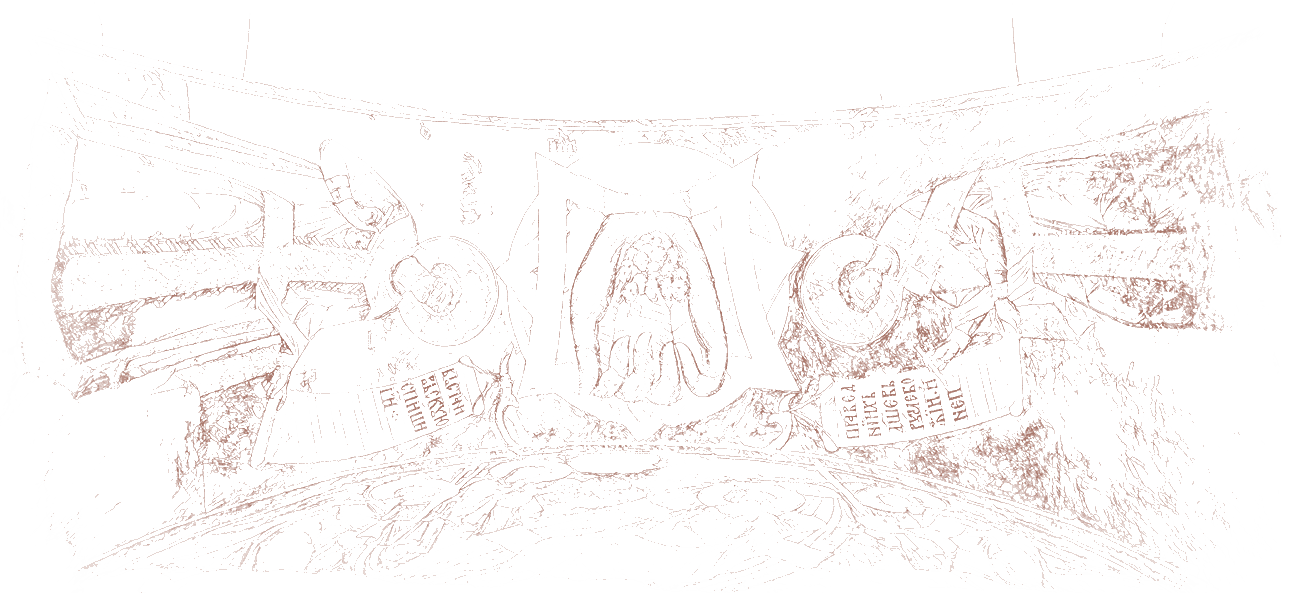
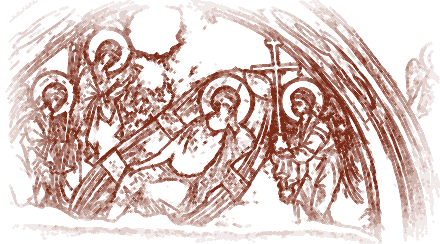
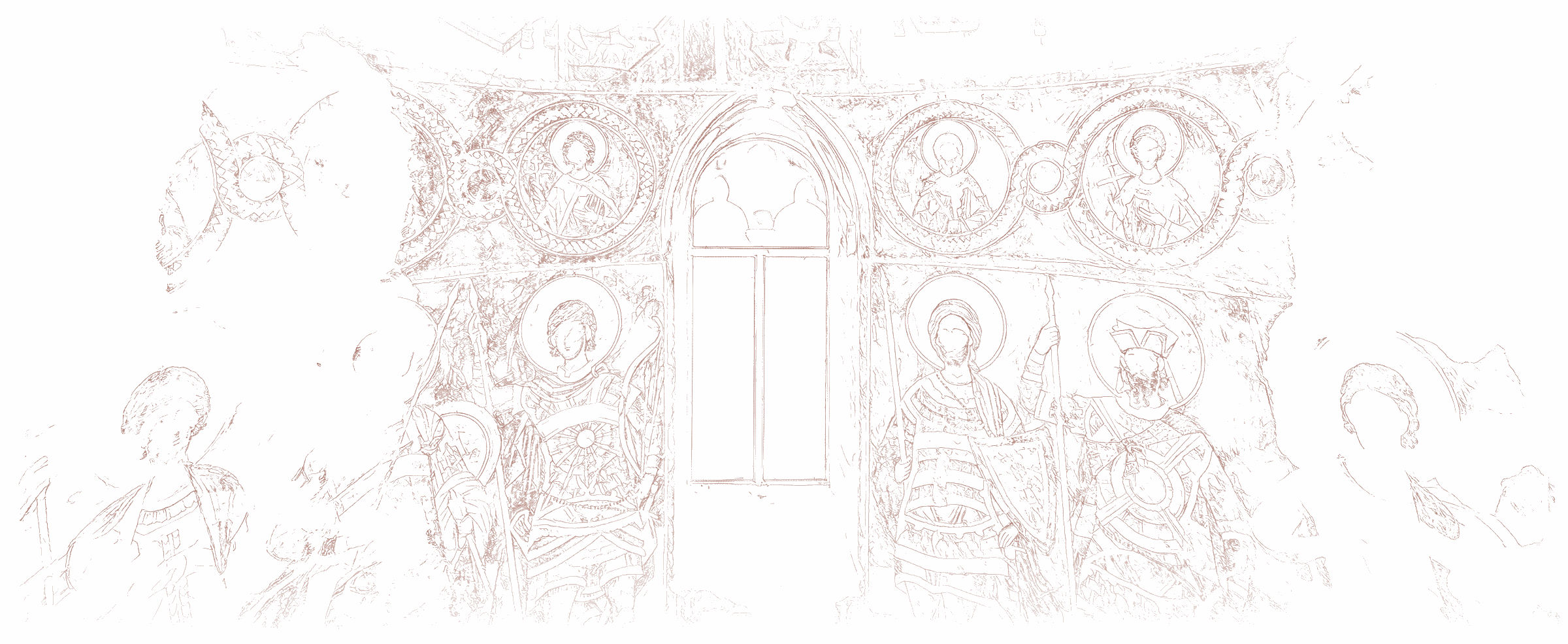
upon the face of the earth, and has set you as a great and mighty lord, and has endowed you with an exalted and noble mind, from which a great light and rays as of the sun shine over all the world; your wisdom and justice are glorified before the emperors and lords of the earth.” But we must also say something of the Despot’s support for, and building of, the churches and monasteries of God throughout his land and across all Orthodoxy. Something of this has already been mentioned above, but these later works of the holy Despot surpass the earlier ones. For besides his earlier restoration of the monastery of Dečani and his gifts to the Athonite monasteries of Hilandar and St. Panteleimon, the holy Despot now, as a free and sovereign ruler, richly endowed many old monasteries and raised and built still more new ones. Thus by his charter he endowed the monastery of Mileševa (in 1405), where lay the tomb with the holy relics of Saint Sava; and again the monastery of Hilandar on Mount Athos (by a charter of 1404–5); and then two more monasteries in the land of Wallachia (Romania), the monasteries of Tismana and Vodița. The founder of these monasteries was the renowned Serbian hieromonk (“priest”) Nikodim Grčić, a great friend of Stefan’s father, Saint Lazar, by whose help and gifts these monasteries were built. Stefan now richly endowed these monasteries and their abbot Nikodim, and confirmed all this with his sovereign charter (of 1405–6), which begins with these words: “And when it pleased God to visit His people, leading them from narrowness into breadth, from weakness into strength, and from sorrow into gladness, He led me too, in His goodness, from subjection into freedom, and from a lesser throne to the highest.” Before this time Stefan’s mother Milica had raised her endowment, the monastery of Ljubostinja, where she now lived as the abbess Evgenija with Jefimija and the other venerable nuns. But since the church of Ljubostinja had not yet been painted, that is, adorned with icons and frescoes, now, with the help of her son the Despot, Ljubostinja was wholly and divinely adorned by the skilled hand of the hieromonk Makarije of Prilep. This came to pass shortly before the death of the venerable mother Evgenija (between 1402 and 1405), who soon thereafter departed to the Lord (on November 11, 1405), having received before her blessed repose the great schema with the name Jefrosinija. Soon after her, Stefan’s “second mother,” the nun Jefimija, also reposed in the Lord, having likewise received the habit of the great schema with the name Evpraksija. But the holy Despot showed his greatest love and zeal for the Church of God and its monasteries in the building of his great and glorious endowment, the monastery of Resava. He always bore a great love for the monastic order and its way, and he himself lived, so to speak, a monastic manner of life. Although he was married (at this time he had brought his betrothed Jelena to Serbia, and after they entered into marriage she lived but a short while and soon departed to the Lord), the Christ-loving Stefan desired always to be in the company of monks, whether they came to him at his court and spoke with him of the salvation of the soul and of life according to God, or he went to them in their solitary places and hermitages to delight in seeing and hearing them. And having in his Despotate “many monks who unceasingly sing and glorify God in the Trinity,” he resolved to establish for them a great and secure community, “a longed-for dwelling for silence.” And so was built the Despot’s glorious endowment of Resava, of which his biographer Constantine speaks thus: “We must mention yet another city, which bears a likeness to, and is a path toward, the heavenly Jerusalem. Stefan longed to converse with the desert-dwellers and insatiably abode with