



In the courtyard of Manasija Monastery, beside the Church of the Holy Trinity, there are today several buildings in which the life of the monastery's inhabitants unfolds. For the life of a community of the monastic type, besides the place where liturgical, worshiping life takes place, there is also a need for rooms for lodging, dining, preparing food, receiving pilgrims and visitors, as well as for reading and studying Holy Scripture and spiritual literature, and for scholarly work.
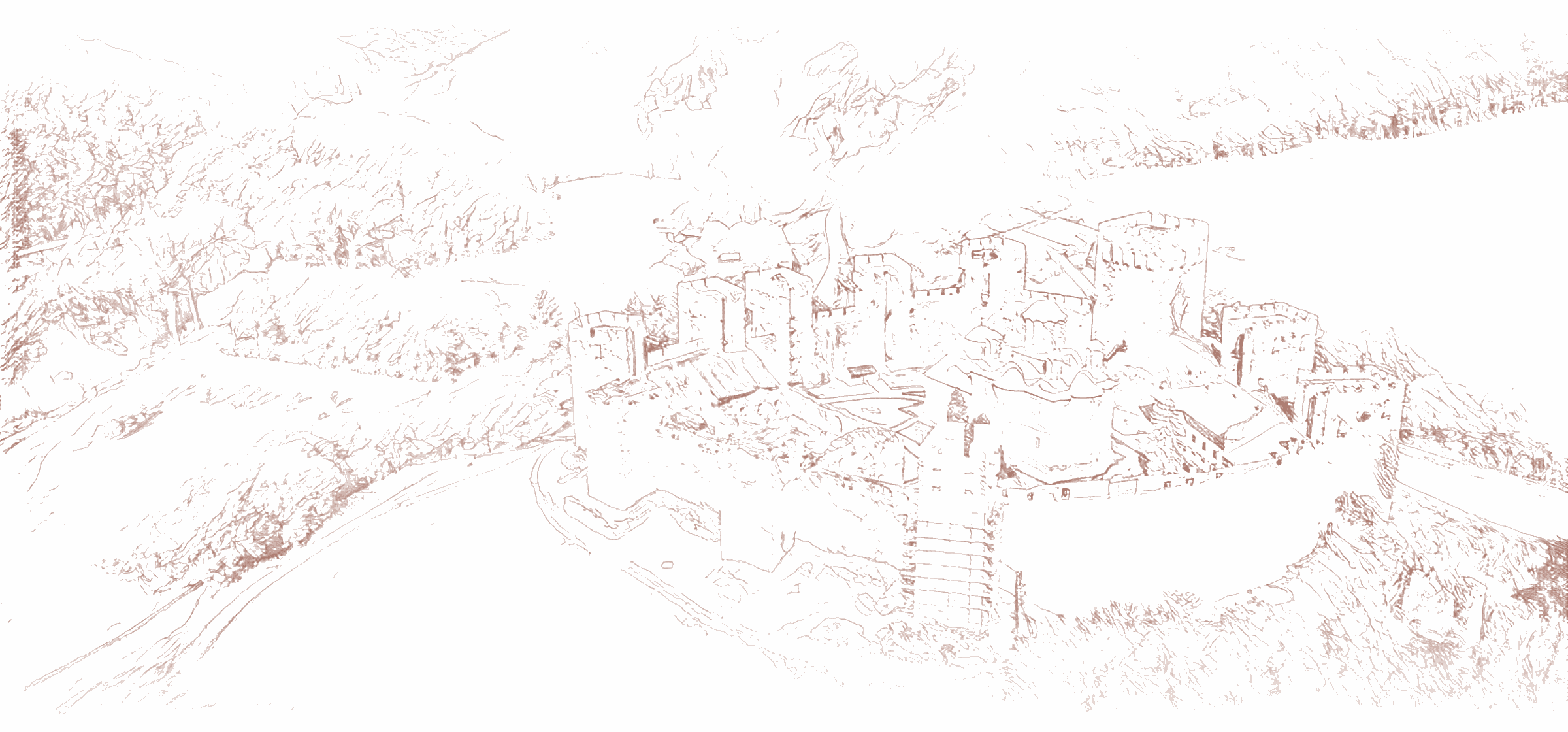
In ancient times Manasija Monastery, raised as a monastic city, brought together, besides the monastery church , all the other buildings needed for the life and work of the monastic brotherhood, as well as for monastic literary, artistic and scholarly needs - the needs of the renowned Resava School - as well as the magnificent refectory, or the monastery kitchen with its great oven - a bakery for bread. However, the monastery suffered grievously under the Ottomans, and apart from the monastery church - badly damaged - and the bare walls of the Manasija refectory, none of the original buildings for monastic life has been preserved. Since the 19th century, when the monastery was restored, the monks of Manasija have built lodgings and other service buildings, both for the needs of the monastic community and for the needs of guests. The buildings raised in the 19th century and at the beginning of the 20th century were modest, in keeping with the circumstances, and their useful life was short. The only exception is the Manasija bell tower, which at the end of the 19th century was placed in a very durable structure - a tower of the Resava fortress: the bell tower is still in the same place today.
After the Second World War, Manasija Monastery went through hard days: the dilapidated buildings were not safe for housing the monastic community, which was forced to live outside the monastery walls. The need for more suitable living space for the monastic community was inescapable. The architect Slobodan Nenadović, following the spirit of the old buildings, planned the construction of the old lodging in the spirit of tradition, on the spot where monastic cells had previously stood. Work began in 1960, and by the autumn the building already had a roof. Here the monastic community of Manasija found its home.
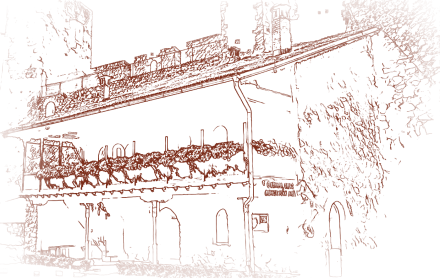
In the shadow of the mighty walls of the Resava fortress, the building of the old monastic lodging stands as a witness of time. Leaning against the rampart, under a single-pitched roof of beaver-tail tiles, this lodging steadfastly withstands change. Today its ground floor houses the monastery shop, while on the upper floor, beyond the wooden stairways and the spacious veranda, rooms for lodging welcome pilgrims. The foundations of the old monastic lodging, as records and archaeological finds alike testify, reach deep into the past. It is believed that an even older building from the time of Despot Stefan once stood on the same spot. The years have come and gone, but the essence has remained the same - the monastic lodging is a place of prayerful silence, spirituality and devotion.
To the east of the Manasija Church of the Holy Trinity rises the new, magnificent lodging, with a chapel dedicated to Holy Despot Stefan. In the spacious building, 60 meters long, are the monastery kitchen, the monastic refectory and the monastic cells. The new monastic lodging was built in the 1970s, when, because of a lack of space, Abbess Paraskeva launched the initiative to build a new one. On the Feast of the Elevation of the Cross in 1973, Bishop Hrizostom blessed the building site, emphasizing the importance of preserving the original architecture.
By 1976 the new monastic lodging had been plastered, and the monastic cells, chapel and other rooms had taken shape. In the autumn of 1977, the Serbian Patriarch German and several bishops performed the solemn consecration of the new monastic building, which has since been used by the monastic community of Manasija. The chapel of Holy Despot Stefan located in the new monastic lodging was consecrated in 1981.
A few years later, in the northeastern part of the Manasija courtyard, leaning against the fortress rampart, on the site of a former monastery building, the guest lodging was raised. Besides rooms for pilgrims, it houses a ceremonial refectory and the monastery library, a unique repository of written spiritual and cultural treasures.
The guest lodging was completed in 1985 and since then has served for agape meals, lectures, scholarly conferences and conversations. The refectory, which can comfortably accommodate more than a hundred guests, is adorned with frescoes that complete its spiritual atmosphere. On the upper floor of the guest lodging there are four guest rooms, as well as the monastery library - a treasury of written heritage and spirituality.
As in former times, so today the lodgings of Manasija bear witness to love, ascetic endeavor and faith. These buildings are not merely stone and lime, but living witnesses of perseverance, devotion and prayer, woven into the heart of the monastery's silence.