

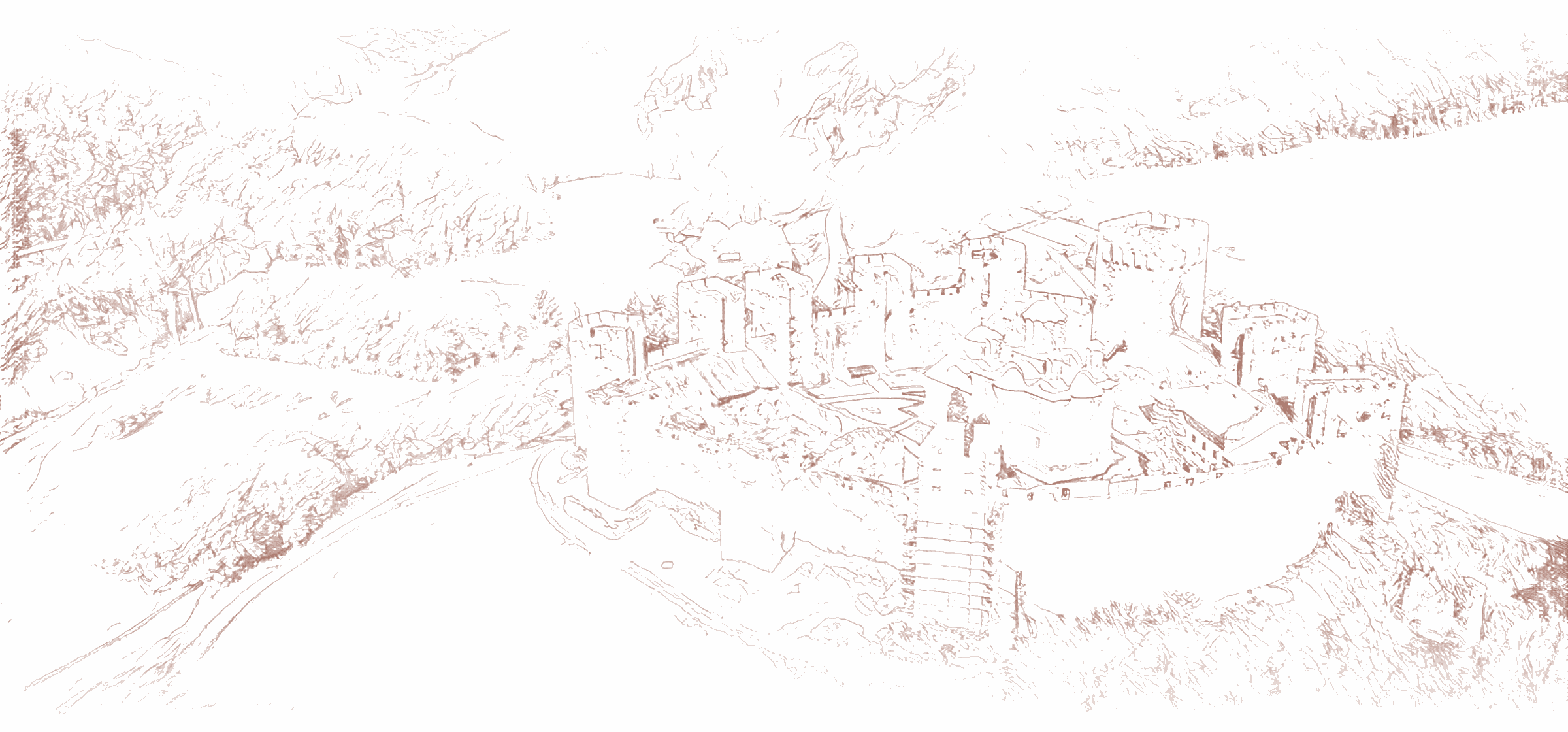

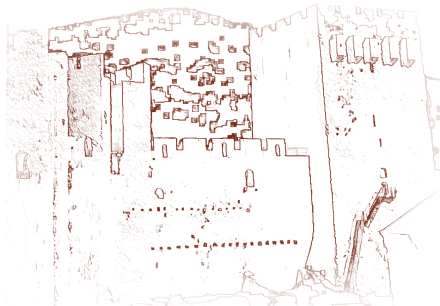
The fortification of the Resava monastery, with its ramparts, towers and harmoniously conceived defensive solutions, is the best-preserved fortified ensemble of medieval Serbia. It is a symphony in stone that bears witness to the wisdom, skill and foresight of Despot Stefan and his master builders, and it remains a lasting reminder of the powerful harmony of culture and architecture, a pledge of Serbian spirituality and of steadfastness in the defense of the faith. The Fortress of Manasija astonishes with its harmony and strength. Its unusual structure, in the shape of an irregular circle, comprises twelve towers linked by high ramparts, forming a unique defensive whole that encircles and protects the monastery. The Resava fortification rises like a crown of stone around the monastery church. It includes eleven towers that guard the monastery, while on the eastern side there rises a separately defended area with a twelfth tower. With the exception of the largest, the donjon tower, the towers of the fortress are identical in construction: each has a ground floor, six stories and a wall-walk with a crenellated parapet. Linked by mighty ramparts, likewise crenellated, the towers built in this way allowed the defenders to move without interruption through special passages on the fourth stories, making the defensive system impregnable. The only exception in this harmonious sequence is the donjon tower, better known as the Despot's Tower, which dominates the entire fortification with its powerful presence. The Despot's Tower cannot be entered from the ramparts; the only entrance to this tower, whose ground floor is raised considerably above that of the others, leads from the courtyard. Machicolations - rare defensive elements in Serbian medieval architecture - adorn the towers and ramparts of Resava, providing additional protection against invaders.
The Fortress of Manasija Monastery
The magnificent endowment of Despot Stefan Lazarević, Manasija Monastery - one of the most brilliant achievements of Serbian architecture of the late Middle Ages,